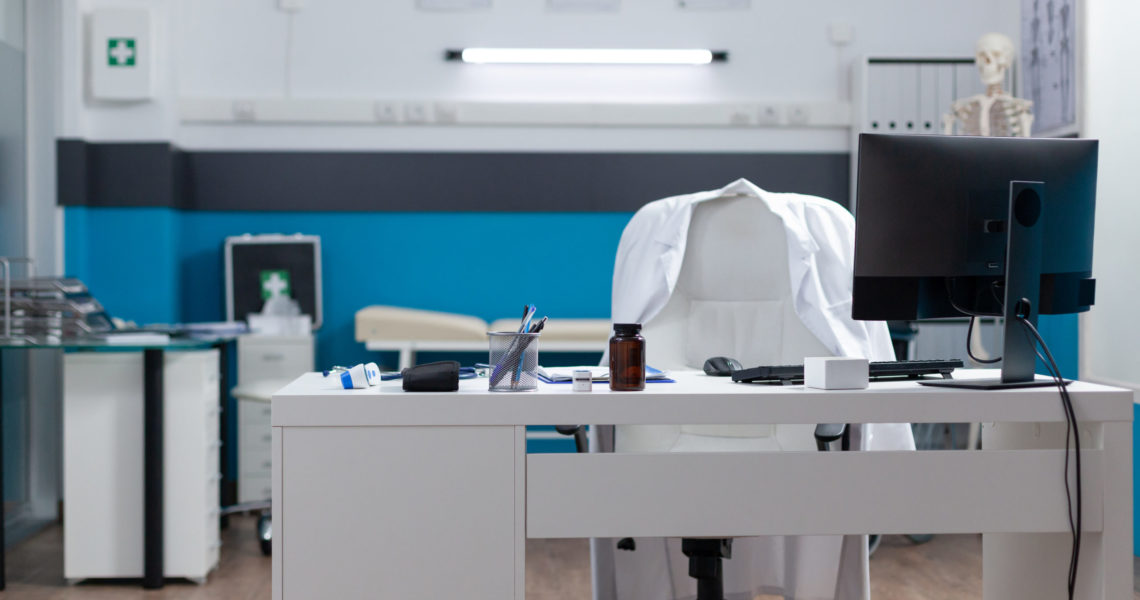
There are many reasons why it is crucial for medical offices to upgrade their space and their technology from time to time. Perhaps the most important reason is that outdated technology or equipment can lead to decreased efficiency and productivity in the office. In addition, an environment that isn’t well taken care of can create risks for both patients and staff. However, it can be difficult to know what steps to take, particularly if this is the first time you’ve been in charge. Fortunately, there are plenty of resources available to help you make the right decisions. If you want to learn more, read on for some useful tips on upgrading your medical office.
What are some tips for upgrading your medical office?
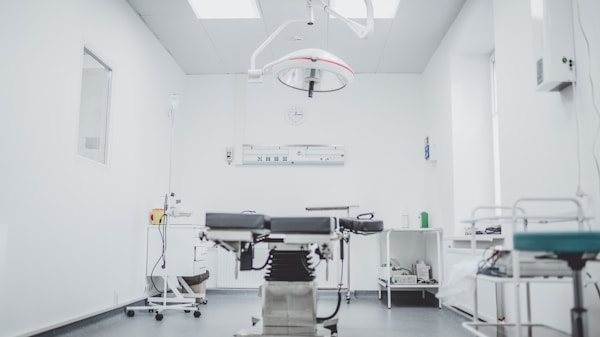
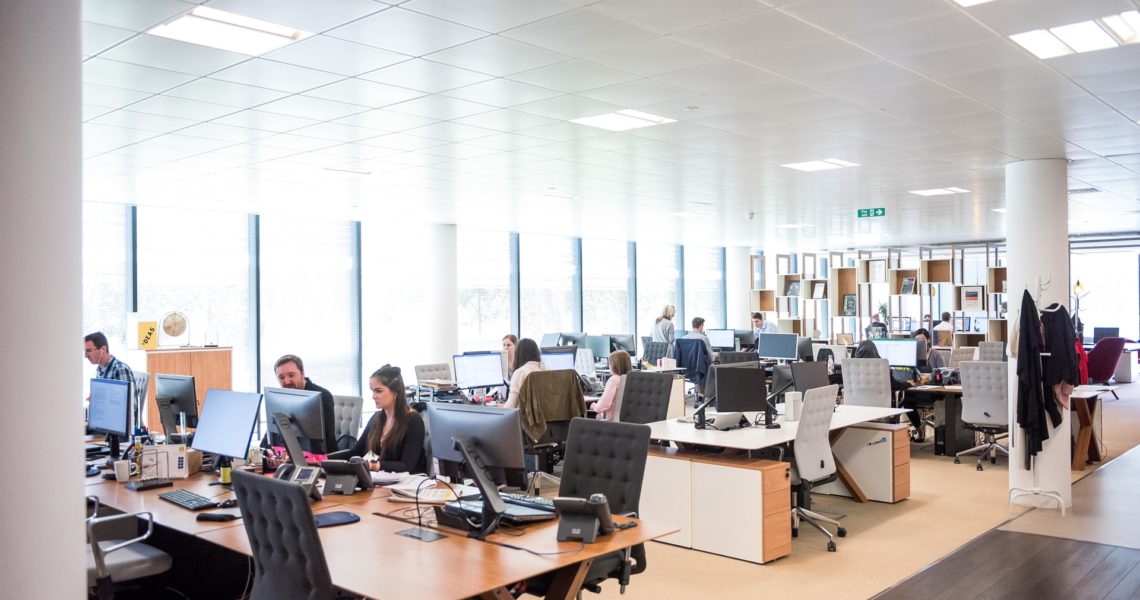
The most effective way to give yourself more office space is to upgrade is to relocate to a larger office. When you have more room to work, you can provide better care for your patients. This includes having more space for examination rooms, lab work, and storage. If you’re moving offices, you will definitely want to hire professional movers, like these experienced Chicago office movers. Professional movers have the required equipment and resources to safely move your office belongings. They also have the experience and expertise to get the job done quickly and efficiently.
Your technology should always be kept up to date, no matter what size office you have or where it is located. NyquistData can help you with that. They offer the leading intelligence platform for medical technology, which enables you to aggregate data, automate your workflow, and use predictive analytics to support strategic decision-making with regard to regulations, research and development (R&D), and commercialization within the life sciences industry. This can be a game changer for many within the medical profession.
Remember that a budget is a necessary tool for upgrading your medical office. It can enable you to make informed decisions about what improvements are most needed, and it can also help you to stay on track financially as you make changes. It can be tempting to go over budget when upgrading your office but stay mindful of how much money you’re spending for the best results.
How else can you improve your office environment?

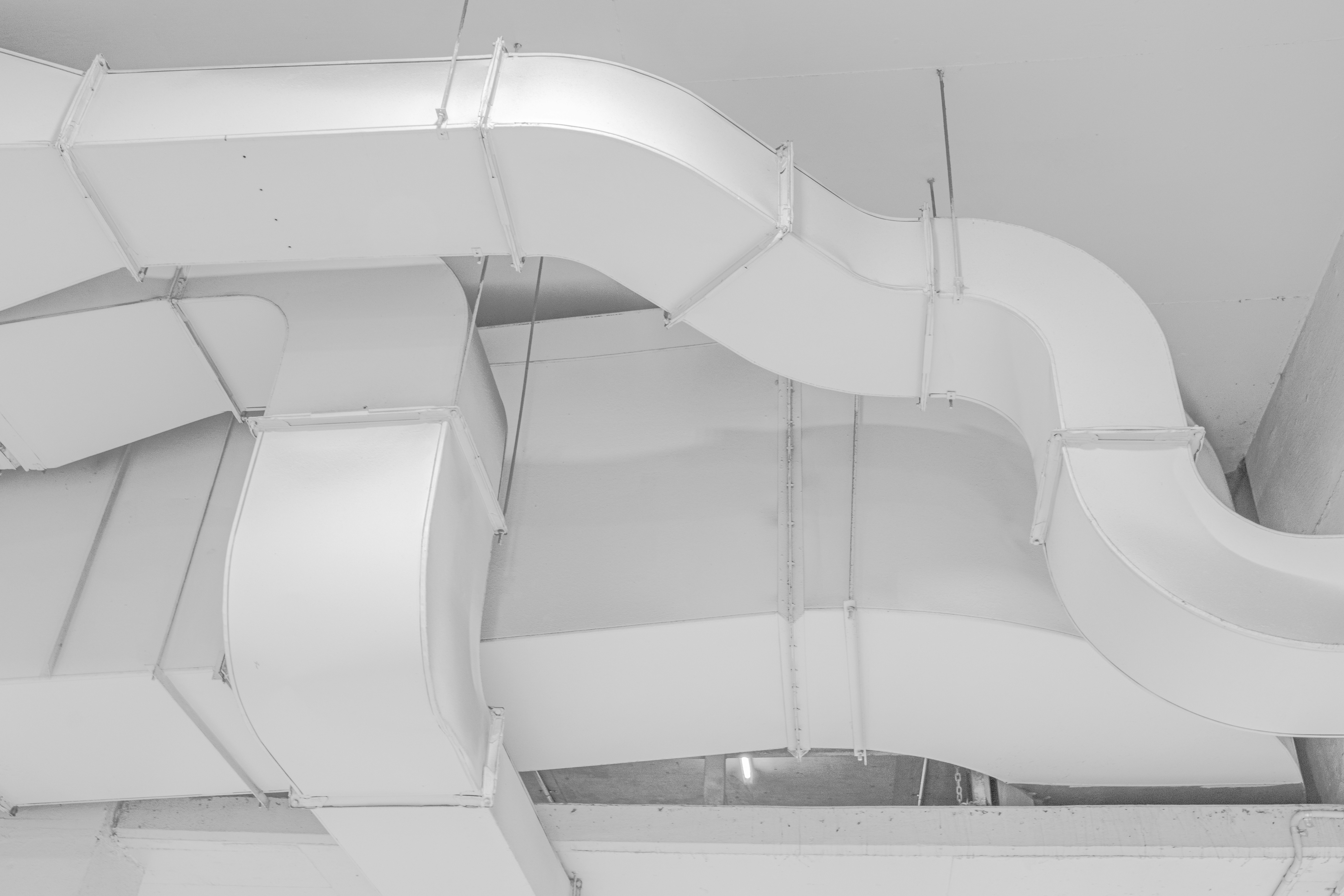
Beyond just upgrading your technology or the amount of space you have, you should strive to create a healthy and comfortable environment for your staff and patients. You can start by improving the ventilation in your space, as proper ventilation is required in any medical office. A poorly ventilated space could even create an elevated risk for explosions or other property damage. A high-quality ventilation system is the best way to ensure that your office is always well-ventilated, though you can also use other fixtures like standing fans to boost airflow.
You should think about the indoor air quality in your office as well. The Environmental Protection Agency (EPA) has named indoor air pollution as a top environmental threat. It has been linked to health conditions like emphysema, coronary artery disease, respiratory infections, strokes, and even cancer. Fortunately, there are several steps you can take to improve your air quality, including cleaning your office more frequently, using a vacuum that has a HEPA filter, and purchasing an air purifier that can remove allergens, dust, and other contaminants from the air.
The medical industry is constantly changing and evolving, which means that your medical office needs to change and evolve with it. By upgrading your medical office, you can stay ahead of the curve and provide the best possible care for your patients. Some options to consider include moving to a larger office, updating your medical technology, and reinvesting a portion of your budget into your office amenities. Protecting indoor air quality and improving the ventilation should be priorities too. Follow the tips in this article and you can be sure you’re providing a safe space for your staff and your patients.